Windows are an essential element of any home, influencing not only the aesthetic appeal but also energy efficiency, indoor comfort, and safety. Whether you are replacing aging windows or installing new ones during a renovation, understanding the proper installation process is critical. Poor installation can lead to drafts, water damage, reduced energy performance, and operational issues that compromise both comfort and the long-term value of your home. Conversely, a well-installed window enhances your home’s appearance, reduces utility costs, improves safety, and provides lasting reliability.
Why Proper Window Installation Matters
Installing a window is more than just fitting a frame and glass. Correct installation impacts energy efficiency by preventing air leaks, reducing heating and cooling costs, and maintaining comfortable indoor temperatures. It also enhances safety, as windows serve as emergency exits and security features. Additionally, proper installation improves home comfort by reducing noise, drafts, and uneven temperatures while maintaining the aesthetic value of the home. Poor installation can compromise insulation, allow water penetration, and affect structural integrity over time, making professional techniques and attention to detail essential.
Assessing Your Home’s Needs
Before selecting windows, homeowners should carefully evaluate their home’s unique requirements. Energy efficiency is often the primary concern, particularly in regions with extreme temperatures. Selecting windows with double or triple-pane glass, Low-E coatings, and gas fills like argon or krypton can significantly reduce heat transfer, lowering energy costs and maintaining indoor comfort. Safety considerations are equally important, especially for bedrooms, basements, or upper-story windows. Ensuring proper egress, tempered or laminated glass, secure locks, and child safety features provides peace of mind. Style and design preferences should also be considered. Double-hung windows offer classic appeal and ventilation, casement windows seal tightly for energy efficiency, sliding windows save space, and picture windows maximize natural light and views. Budget and long-term value should also guide decisions, as high-quality windows may have higher initial costs but deliver durability and reduced maintenance over time.
Choosing the Right Materials
The selection of frame and glass materials is critical to long-term performance, energy efficiency, and aesthetic appeal. Vinyl frames are low-maintenance, resist warping, and provide good insulation, while fiberglass frames offer strength, stability, and excellent thermal performance. Composite frames combine materials to maximize durability and insulation, whereas wood frames are naturally insulating and visually appealing but require ongoing care. Glass choices include double or triple-pane options for superior insulation, Low-E coatings to reflect heat while allowing natural light, and gas fills between panes to enhance energy efficiency. Durable hardware, such as high-quality locks, hinges, and handles, ensures smooth operation, security, and longevity.
Preparing the Installation Site
Proper site preparation is essential for successful window installation. Accurate measurements of width, height, and depth are necessary to ensure a precise fit, while the surrounding structure should be inspected for water damage, rot, or warping. Any structural issues must be addressed prior to installation. Protecting interior and exterior surfaces is equally important; floors, walls, and furnishings should be covered to prevent damage during removal and installation.
Removing Existing Windows
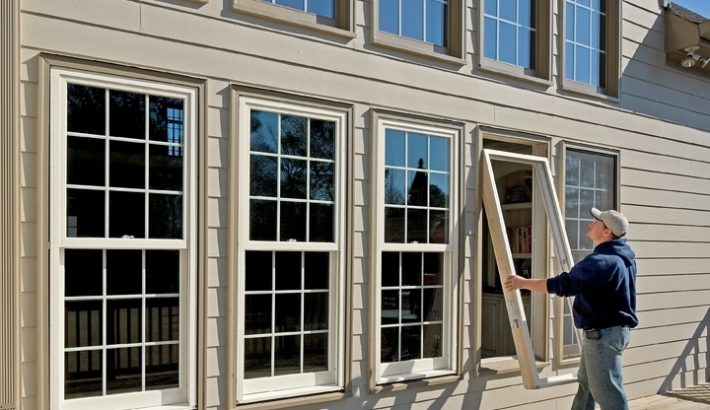
When replacing windows, removal must be done carefully to maintain structural integrity. Interior trim, molding, and exterior siding should be removed with caution, and old frames, sashes, and hardware must be taken out methodically. Responsible disposal of materials, following local regulations, ensures safety and environmental compliance. Proper removal prevents damage to the surrounding structure and prepares a clean surface for the new window.
Professional Window Installation
The process of professional window installation ensures that every step is executed with precision, maximizing energy efficiency, safety, and durability. A dry fit allows the window to be positioned and assessed for proper alignment. Shims are used to guarantee the frame is level and square, as misalignment can lead to drafts, leaks, and operational problems. The window is fastened following manufacturer guidelines, and high-quality caulking along the exterior perimeter, combined with insulation in gaps, ensures an airtight seal. After installation, windows are tested to confirm smooth operation, secure locking, and effective sealing.
Professional installation not only guarantees proper performance but also provides peace of mind for homeowners, knowing that their investment is correctly implemented and compliant with industry standards.
Finishing Interior and Exterior Surfaces
Replacing interior trim, molding, and exterior siding or finishes completes the installation process. Paint touch-ups and inspection for gaps ensure both a polished look and energy efficiency. A thorough final inspection guarantees the window functions correctly, is sealed properly, and meets safety and aesthetic expectations.
Energy Efficiency Considerations
Even the highest-quality windows underperform if installed incorrectly. Ensuring the window is level and square, sealing gaps effectively, and using energy-efficient glass and frame combinations are critical for maximizing energy performance. Professional window installation ensures that these standards are met, helping homeowners reduce energy costs and maintain indoor comfort.
Safety and Security
Safety is essential during installation and long-term use. Verifying the structural integrity of the opening, using tempered or laminated glass, and installing locks and child-safety features are critical steps. Proper egress must also be ensured, particularly for bedrooms and basements. Professional contractors ensure that all safety standards and building codes are met, reducing risks of accidents or break-ins.
Style and Aesthetic Considerations
Window style affects both interior and exterior design. Frame colors, finishes, and decorative elements such as grids or muntins enhance visual appeal. Placement and size should maximize natural light while maintaining privacy and energy efficiency. Thoughtful design choices ensure the window complements the home’s architecture and interior décor, while also serving functional purposes.
Maintenance for Long-Term Performance
Routine maintenance preserves both function and appearance. Weatherstripping and seals should be inspected regularly, and any wear should be addressed promptly. Cleaning frames, sashes, and tracks prevents debris buildup, while reapplying exterior caulking and lubricating moving parts maintains smooth operation. Monitoring for drafts, condensation, or damage ensures early intervention, extending the life of the windows and preserving energy efficiency.
Conclusion
Proper window installation combines planning, material selection, precise execution, and ongoing maintenance. By focusing on energy efficiency, safety, and style, homeowners can ensure that their windows deliver lasting comfort, lower energy costs, improved security, and enhanced home aesthetics. Engaging professional contractors for window installation guarantees that every step meets industry standards and provides peace of mind, making the investment worthwhile for years to come.