Introduction
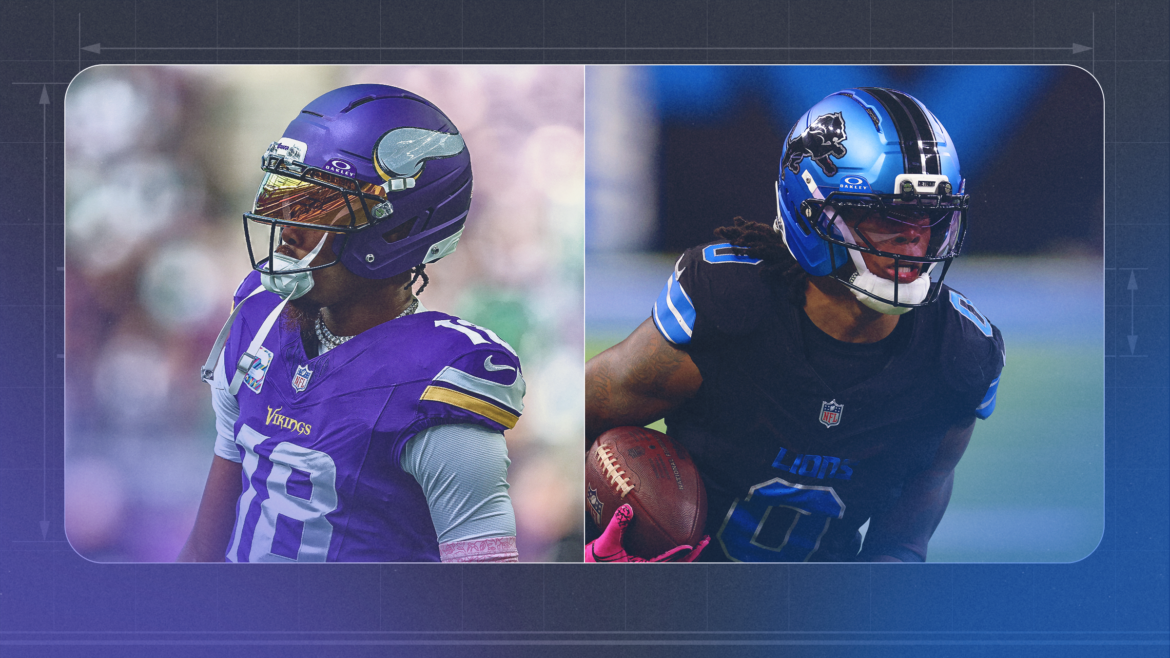
The Minnesota Vikings vs Detroit Lions Match Player Stats matchup is one of the most competitive divisional rivalries in professional football, defined by intensity, physicality, and constant tactical evolution. When these two NFC North teams meet, the game is rarely just about the final score. Instead, it becomes a detailed story told through player stats, individual battles, and momentum swings across four quarters. Analyzing match player stats from a Vikings vs Lions clash provides valuable insight into how each unit performed, which players stepped up in crucial moments, and how strategy translated into on-field execution.
Quarterback Performances and Offensive Leadership
Quarterback play stood at the center of the Minnesota Vikings vs Detroit Lions Match Player Stats match, shaping offensive rhythm and decision-making. The Vikings quarterback emphasized timing, accuracy, and command of the pocket, focusing on sustaining drives through controlled passing. Completion efficiency and passing yards reflected a calculated approach designed to minimize mistakes. On the Lions’ side, their quarterback demonstrated confidence and composure, mixing precise throws with aggressive downfield attempts. Passing efficiency and touchdown production highlighted Detroit’s willingness to challenge coverage and capitalize on defensive lapses.
Passing Game Execution and Receiving Impact
The passing game stats from the Minnesota Vikings vs Detroit Lions Match Player Stats revealed two distinct offensive philosophies. Minnesota’s receivers excelled in route discipline, creating separation in short and intermediate zones. Reception totals and yards after catch underscored their ability to turn routine plays into meaningful gains. Detroit’s receiving unit leaned into physicality and speed, producing chunk plays that stretched the field vertically. Higher yards per reception illustrated how the Lions used spacing and timing to disrupt defensive schemes.
Running Game Contributions and Rushing Balance
Rushing performance played a vital role in defining offensive balance during the Minnesota Vikings vs Detroit Lions Match Player Stats game. The Vikings relied on a steady ground attack to complement their passing game, using consistent rushing attempts to control tempo and keep the defense honest. Rushing yards and average gains per carry reflected effective blocking and patience from the backfield. Detroit’s rushing approach was more aggressive, featuring decisive runs designed to exploit gaps quickly. Explosive rushes and red-zone carries demonstrated the Lions’ intent to assert physical dominance.
Offensive Line Play and Protection Metrics
Offensive line statistics often determine whether skill players can thrive, and this matchup highlighted that reality. Minnesota Vikings vs Detroit Lions Match Player Stats offensive line showed discipline in pass protection, allowing the quarterback time to scan the field. Limited sacks and pressures reflected cohesive communication and technique. Detroit’s offensive line displayed power in run blocking, creating lanes that enabled consistent rushing production. Pressure allowed and quarterback hits revealed the intensity of trench battles that influenced play-calling throughout the game.
Defensive Line Performance and Pass Rush Pressure
Defensive fronts were instrumental in shaping the Vikings vs Lions contest. Minnesota Vikings vs Detroit Lions Match Player Stats defensive line focused on containment and discipline, aiming to disrupt timing without overcommitting. Sack totals and quarterback pressures illustrated timely execution on passing downs. Detroit’s defensive line countered with physicality and relentless pursuit, recording tackles for loss and forcing hurried throws. These stats emphasized how defensive pressure altered offensive rhythm on both sides.
Linebacker Play and Midfield Control
Linebacker contributions were critical in controlling the flow of the game. Minnesota Vikings vs Detroit Lions Match Player Stats linebackers posted strong tackle numbers, reflecting their effectiveness in run defense and short-zone coverage. Their ability to read plays quickly limited yards after contact. Lions linebackers adopted an aggressive mindset, contributing to blitz schemes and closing gaps against the run. Tackle efficiency and pressure statistics highlighted their role in disrupting third-down attempts.
Secondary Coverage and Defensive Back Stats
The secondary units played a pivotal role in shaping passing outcomes. Minnesota Vikings vs Detroit Lions Match Player Stats defensive backs emphasized zone awareness and communication, limiting explosive plays and forcing contested catches. Pass deflections and completion percentages against them demonstrated disciplined coverage. Detroit’s secondary favored physical coverage, challenging receivers at the line and contesting catches aggressively. Interceptions and pass breakups reflected their ability to capitalize on quarterback mistakes.
Third-Down Efficiency and Situational Execution
Third-down performance often determines momentum, and this matchup was no exception. Minnesota Vikings vs Detroit Lions Match Player Stats converted a steady percentage of third-down opportunities, extending drives and maintaining possession. Detroit showed resilience in critical moments, producing key stops and timely conversions. Third-down stats revealed how preparation and execution influenced control of the game.
Red Zone Performance and Scoring Efficiency
Red zone efficiency was a defining factor in the Minnesota Vikings vs Detroit Lions Match Player Stats. Minnesota demonstrated composure inside the 20-yard line, finishing drives with disciplined play-calling. Touchdown efficiency reflected balanced execution. Detroit’s red zone approach emphasized creativity and power, utilizing misdirection and physical runs. Scoring efficiency highlighted differences in how each team maximized opportunities.
Turnovers, Takeaways, and Ball Security
Turnover statistics played a crucial role in shaping momentum. The Minnesota Vikings vs Detroit Lions Match Player Stats prioritized ball security, limiting interceptions and fumbles. Detroit’s aggressive defensive style occasionally resulted in takeaways, shifting field position and energy. Turnover margin underscored the importance of discipline and situational awareness in close divisional games.
Special Teams Performance and Hidden Yardage
Special teams contributions added subtle but meaningful impact to the matchup. Minnesota Vikings vs Detroit Lions Match Player Stats coverage units minimized return yardage, consistently providing favorable starting positions. Reliable kicking added points when drives stalled. Detroit’s return units injected energy, occasionally flipping field position through explosive returns. Special teams stats highlighted the importance of execution beyond offense and defense.
Time of Possession and Drive Sustainability
Time of possession statistics illustrated contrasting approaches to game control. Minnesota Vikings vs Detroit Lions Match Player Stats focused on sustained drives, using ball control to manage tempo and wear down the defense. Average drive length reflected patience and efficiency. Detroit favored quicker strikes, relying on explosive plays to score efficiently. These trends influenced defensive fatigue and late-game performance.
Penalty Discipline and Field Position Impact
Penalty stats revealed differences in discipline and focus. Minnesota Vikings vs Detroit Lions Match Player Stats committed fewer penalties, avoiding unnecessary setbacks. Detroit faced penalties at key moments, affecting drive momentum and field position. Penalty yardage often correlates with preparation, and this matchup reinforced the value of discipline. Several individual performances stood out in the Minnesota Vikings vs Detroit Lions match. Vikings skill players delivered consistent production, while defensive leaders anchored key stops. Lions stars contributed explosive plays and physical dominance.
Coaching Strategies Reflected in Statistics
Coaching philosophies were evident in statistical patterns. Minnesota Vikings vs Detroit Lions Match Player Stats emphasized balance and efficiency, reflected in even distribution between pass and run plays. Detroit embraced aggression, adjusting schemes to exploit mismatches. These strategies shaped efficiency metrics and scoring outcomes. Efficiency metrics such as yards per play and points per drive offered a deeper understanding of performance. Minnesota showed steady efficiency across categories, reflecting consistency. Detroit displayed higher variance, combining explosive gains with occasional stalled drives.
Depth, Rotations, and Late-Game Execution
Player rotations influenced statistical output, particularly late in the game. Minnesota Vikings vs Detroit Lions Match Player Stats depth allowed sustained performance despite substitutions. Detroit’s rotational adjustments reflected efforts to maintain intensity. Late-game stats often revealed which team managed fatigue more effectively. From a fan perspective, Vikings vs Lions match player stats provide clarity beyond the scoreboard. Vikings fans can appreciate disciplined execution and balance, while Lions fans can recognize explosive potential and physicality. Stats serve as a roadmap for understanding strengths and areas for improvement.
Conclusion
The Minnesota Vikings vs Detroit Lions Match Player Stats tell the story of a fiercely competitive divisional battle shaped by execution, strategy, and individual brilliance. Minnesota’s balanced approach emphasized control and consistency, while Detroit’s aggressive style showcased power and explosiveness. Together, these statistics paint a comprehensive picture of a matchup that highlighted the intensity and depth of one of football’s most compelling rivalries.
You May Also Read: Indianapolis Colts vs Baltimore Ravens Match Player Stats