Most households have a drawer, cupboard, or garage corner filled with old electronics—unused phones, broken laptops, outdated TVs, or tangled chargers that no longer serve a purpose. When it’s finally time to get rid of them, many people don’t give much thought to what happens next.
But electronic waste, or e-waste, follows a very different path compared to general household rubbish. Understanding where your old electronics go after disposal can help you make smarter, more environmentally responsible decisions.
What Is Considered Electronic Waste?
Electronic waste includes any item with a plug, battery, or electronic component that is no longer usable or wanted. Common examples include:
- Mobile phones and tablets
- Computers, laptops, and monitors
- Televisions and audio equipment
- Printers and scanners
- Power tools and small household appliances
- Chargers, cables, and accessories
Unlike regular waste, these items contain a mix of valuable materials and hazardous substances, which is why correct disposal matters.
What Happens When E-Waste Is Thrown in the General Bin?
When electronics are placed in standard household bins, they usually end up in a landfill. This creates several serious problems:
- Toxic materials like lead, mercury, and cadmium can leach into soil and groundwater
- Valuable metals are permanently lost
- Batteries pose fire risks in waste facilities
- Landfills fill up faster than necessary
In Australia, e-waste is one of the fastest-growing waste streams, yet a large percentage is still disposed of incorrectly.
The Journey of E-Waste When Disposed of Properly
When electronics are handled through responsible recycling channels, the process looks very different. Instead of becoming environmental hazards, old devices are transformed into reusable resources.
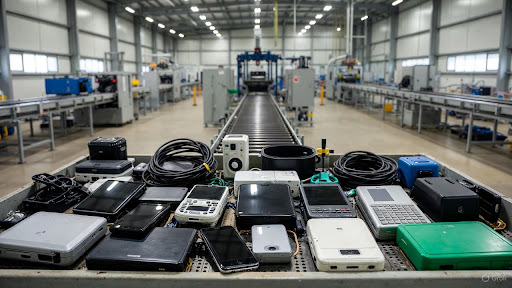
A detailed look at this process is explored in Inside an E-Waste Recycling Facility, which explains how modern recycling technology recovers valuable materials while safely managing hazardous components.
Typical E-Waste Recycling Process
- Collection from homes, businesses, or drop-off points
- Sorting by device type and material
- Removal of batteries and hazardous parts
- Mechanical and manual dismantling
- Separation of metals, plastics, and glass
- Processing materials for reuse in manufacturing
Why Electronics Are Too Valuable to Waste
Many people are surprised to learn how much value is locked inside everyday electronics.
Common Materials Found in E-Waste
| Material | Where It’s Found | Why It Matters |
| Copper | Cables, wiring | Highly reusable and valuable |
| Aluminium | Casings, frames | Lightweight and recyclable |
| Gold | Circuit boards | Small amounts, high value |
| Steel | Structural components | Widely reused |
| Plastics | Casings, keyboards | Can be recycled if separated properly |
Throwing electronics into landfills wastes these resources and increases the need for environmentally damaging mining.
The Hidden Environmental Cost of Improper E-Waste Disposal
Incorrect e-waste disposal doesn’t just affect landfill capacity—it has long-term environmental consequences.
Environmental impacts include:
- Soil and water contamination
- Increased greenhouse gas emissions
- Loss of finite natural resources
- Health risks for waste workers and communities
Responsible recycling reduces these risks and supports a more sustainable, circular economy.
Common Mistakes People Make with Old Electronics
Despite good intentions, many people unknowingly dispose of electronics the wrong way.
Frequent mistakes include:
- Placing small electronics in household rubbish
- Storing old devices indefinitely instead of recycling
- Dumping e-waste during hard rubbish collections
- Removing batteries incorrectly or not at all
Avoiding these mistakes starts with understanding that electronics require specialised handling.
When Professional Electronic Waste Disposal Makes Sense
While some small items can be dropped off at designated recycling points, larger volumes or commercial e-waste often require professional support.
Using Electronic Waste Disposal services ensures that devices are collected, transported, and processed according to Australian environmental standards. This is particularly important for:
- Businesses upgrading IT equipment
- Property managers clearing offices or apartments
- Construction and renovation projects
- Households with large volumes of e-waste
Professional services help prevent illegal dumping and ensure materials are recovered responsibly.
How Responsible E-Waste Disposal Benefits the Community
Choosing proper e-waste disposal doesn’t just help the environment—it benefits everyone.
Key advantages include:
- Reduced landfill pressure
- Safer waste management systems
- Job creation in recycling industries
- Conservation of natural resources
- Cleaner local environments
These benefits make responsible e-waste disposal a shared community responsibility.
How to Prepare Your Electronics for Disposal
Before disposing of electronic items, a few simple steps can make the process smoother and safer:
- Remove personal data from devices
- Back up important files
- Separate batteries where possible
- Bundle cables and accessories together
- Avoid damaging devices further
These steps help recycling facilities operate more efficiently.
Final Thoughts
The next time you throw away an old phone, computer, or appliance, it’s worth thinking about what really happens next. Electronics are far more complex—and far more valuable—than regular household waste.
When disposed of incorrectly, they contribute to pollution and resource loss. When handled properly, they become part of a sustainable recycling cycle that turns old technology into new opportunities.
Learning how recycling facilities operate, and choosing responsible Electronic Waste Disposal options are two simple but powerful ways to reduce environmental impact and support a cleaner future.