A Bare PCB is the most fundamental building block of any electronic device. Before components such as resistors, capacitors, ICs, or connectors are mounted, the board exists in its raw fabricated state. This unassembled board, containing copper traces and insulating substrate but no electronic parts, is known as a Bare PCB.
Although it may look simple, the Bare PCB determines the electrical performance, mechanical strength, and long-term reliability of the final product. From consumer electronics and automotive control systems to medical and industrial equipment, every advanced device begins with a precisely manufactured bare board.
Understanding how a Bare PCB is designed, fabricated, and tested can help businesses select the right production partner and avoid costly quality issues later in assembly.
What Is a Bare PCB?
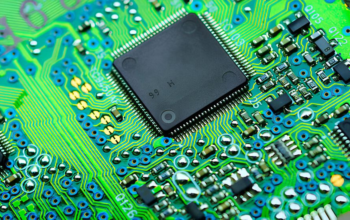
A Bare PCB is a printed circuit board that has completed fabrication but has not yet undergone component assembly. It contains conductive copper pathways laminated onto a non-conductive substrate material. These copper traces form the electrical connections that will later link components together during PCB assembly.
At this stage, the board typically includes the base substrate material (commonly FR-4), copper layers, drilled holes, solder mask coating, silkscreen markings, and a protective surface finish. However, it does not contain any mounted electronic components.
Once components are soldered onto the board using SMT or through-hole processes, the Bare PCB becomes a fully assembled printed circuit board assembly (PCBA).
Materials Used in Bare PCB Fabrication
Material selection plays a major role in determining the electrical and thermal performance of a Bare PCB. The most widely used substrate is FR-4, a fiberglass-reinforced epoxy laminate known for its durability, flame resistance, and cost efficiency.
For high-frequency or high-speed applications, specialized materials may be required to maintain signal integrity and minimize dielectric loss. Copper thickness is also selected based on current requirements. Standard boards often use 1 oz copper, while power electronics may require heavier copper layers.
Surface finishes protect exposed copper pads from oxidation and ensure proper solderability during assembly. Common finishes include HASL, ENIG, immersion silver, and OSP. The chosen finish affects shelf life, corrosion resistance, and assembly performance.
Bare PCB Manufacturing Process
The manufacturing of a Bare PCB involves a series of precise and controlled steps to ensure dimensional accuracy and electrical reliability.
The process begins with PCB design and generation of Gerber files, which define the copper layers, drill patterns, solder mask openings, and silkscreen markings. Once design files are verified, fabrication starts with imaging and etching the copper layers to create circuit patterns.
For multilayer boards, inner layers are etched first and then stacked with prepreg insulation layers. These layers are laminated together under heat and pressure to form a solid structure. After lamination, CNC drilling machines create holes for vias and component leads. The holes are then plated with copper to establish electrical connectivity between layers.
Next, outer layer imaging and etching complete the circuit routing. A solder mask layer is applied to protect copper traces and prevent short circuits. Finally, surface finish and silkscreen markings are added before the board undergoes electrical testing.
Each Bare PCB is tested for open circuits and shorts to ensure proper connectivity before being shipped for assembly.
Types of Bare PCB
Bare PCBs are available in several configurations depending on circuit complexity.
Single-sided boards contain copper traces on one side only and are commonly used in simple electronics. Double-sided boards have copper layers on both sides and use plated through-holes to connect them. Multilayer boards consist of three or more copper layers stacked together, allowing for compact routing of complex circuits.
Advanced applications may also require HDI boards, flexible boards, or rigid-flex designs. The choice depends on device size, signal speed, and performance requirements.
Importance of Quality Testing
Quality control is critical in Bare PCB production because any defect at this stage will carry forward into assembly.
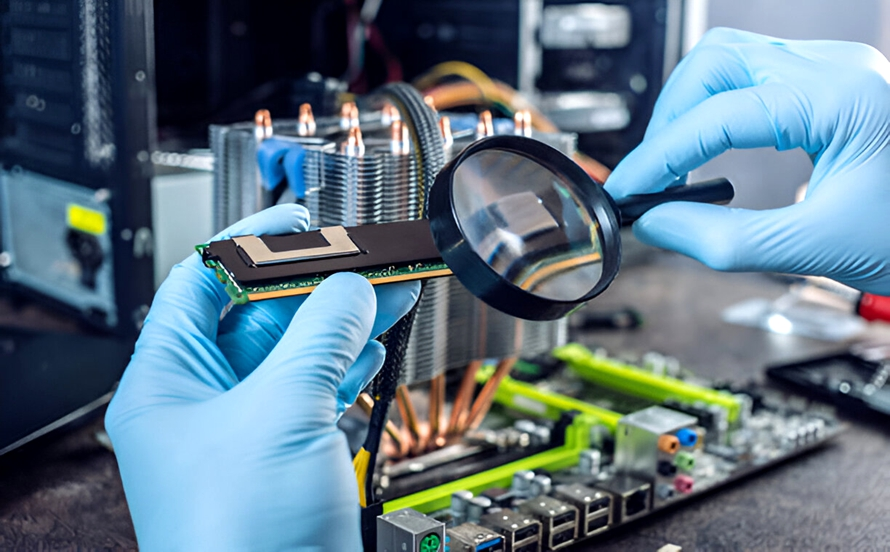
Electrical testing verifies that all connections are correct and that no unintended shorts exist. Flying probe or bed-of-nails systems are commonly used depending on production volume. Automated optical inspection ensures trace widths, spacing, and alignment meet design specifications.
For high-speed applications, impedance testing confirms that controlled impedance traces meet required tolerances. Without proper testing, signal degradation or system failure may occur in the final product.
Working with a reliable Bare PCB manufacturer ensures consistent inspection standards and minimized defect rates.
Applications of Bare PCB
Bare PCBs are used across nearly every industry. Consumer electronics rely on them for smartphones, laptops, and smart devices. Automotive systems use them in engine control units and advanced driver-assistance systems. Medical equipment depends on high-precision boards for monitoring and diagnostic systems.
Industrial automation, telecommunications infrastructure, aerospace electronics, and renewable energy systems also require durable and reliable bare boards. The performance of the final product is directly tied to the quality of the Bare PCB.
How to Choose the Right Bare PCB Manufacturer
Selecting the right Bare PCB manufacturer is essential for maintaining product quality and meeting delivery timelines. Manufacturers should have advanced fabrication capabilities, including support for multilayer boards, fine trace widths, and controlled impedance designs.
Certifications such as ISO standards and IPC compliance indicate adherence to international quality guidelines. Strong quality management systems, in-house electrical testing, and detailed inspection procedures are critical factors to evaluate.
Production flexibility is also important. Whether you require prototype quantities or large-scale manufacturing, your Bare PCB manufacturer should have the capacity and technical expertise to scale accordingly.
Additionally, a good manufacturing partner provides design for manufacturability feedback to improve yield and reduce production risks.
Bare PCB vs. PCB Assembly
It is important to distinguish between Bare PCB fabrication and PCB assembly. Bare PCB fabrication involves producing the board structure with copper traces and protective coatings. PCB assembly involves soldering components onto the fabricated board to create a functional circuit.
Many companies prefer working with a supplier that offers both fabrication and assembly services. This integration reduces logistics complexity, shortens lead times, and improves overall quality control.
Future Trends in Bare PCB Manufacturing
As electronic devices continue to shrink while increasing in complexity, Bare PCB technology is evolving rapidly. High-density interconnect designs allow finer trace widths and microvias to support compact layouts. Advanced materials are being adopted to handle high frequencies required by 5G, AI hardware, and electric vehicles.
Automation and smart manufacturing systems are improving consistency and reducing defects. Environmental regulations are also pushing manufacturers toward eco-friendly processes and lead-free production standards.
These advancements ensure that Bare PCB fabrication continues to meet the demands of next-generation electronic devices.
Conclusion
A Bare PCB is the structural and electrical foundation of every electronic system. Its material quality, fabrication accuracy, and testing reliability directly influence the performance of the final assembled product. From consumer gadgets to mission-critical industrial systems, the importance of a well-manufactured bare board cannot be overstated.
Choosing an experienced Bare PCB manufacturer ensures consistent quality, strict inspection standards, and reliable production timelines. Whether you require prototypes or high-volume manufacturing, partnering with the right Bare PCB manufacturer will help you achieve superior performance, reduced risks, and long-term business success.