The chemical industry depends on accuracy every single day. Small temperature changes can cause big problems. A tiny shift can affect product quality. It can raise safety concerns. It can also increase costs fast. That is why heat transfer equipment is so important inside chemical plants. Among all the options available today, plate heat exchangers have earned a strong reputation for performance and dependability.
Many companies want better thermal results and lower operating expenses. They look for systems that can handle tough industrial conditions. If you want to see more here, you can visit https://groupmcd.com/ and explore how modern heat transfer solutions are built for demanding chemical environments.
What is a plate heat exchanger?
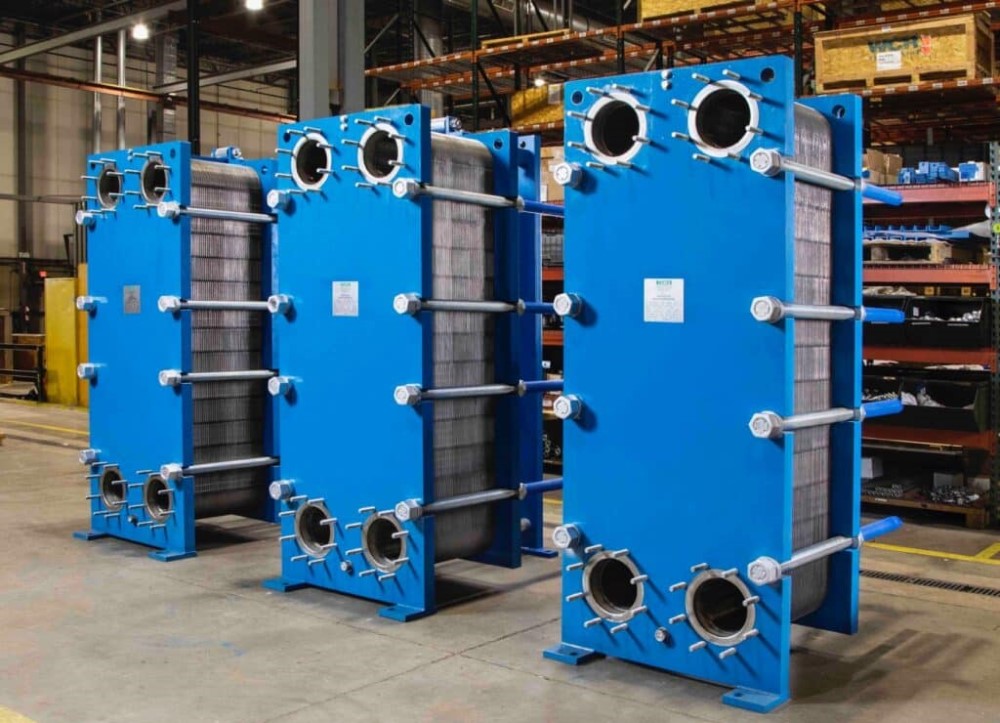
A plate heat exchanger commonly known as PHE, is a device which transfers heat between two fluids. The fluids do not mix. They stay separated at all times. The unit is made of thin metal plates stacked together. These plates form narrow channels. Hot fluid flows through one set of channels. Cold fluid flows through the other set.
The plates are designed with a corrugated pattern. This pattern creates turbulence inside the channels. Turbulence helps improve heat transfer. It makes the process faster and more efficient. The design also provides a large surface area inside a small frame.
Why heat transfer is so important in the chemical industry
Heat plays an important role in various chemical reactions. Common operations include:
- Heating raw materials
• Cooling finished products
• Condensing vapors
• Evaporating liquids
• Recovering waste heat
Temperature directly affects reaction speed. It influences product yield. It also impacts safety. Poor heat control can cause serious issues, such as:
- Lower product quality
• Higher energy bills
• Equipment damage
• Increased safety risks
Choosing the right heat exchanger is a serious decision in any chemical facility.
Main advantages of plate heat exchangers in chemical plants
Now let’s talk about why plate heat exchangers are so popular in chemical operations.
1.High thermal efficiency
One of the most significant advantages of heat exchangers made from plates is their superior heat transfer capabilities. The corrugated plates cause powerful turbulent.
This happens even at lower flow rates. That means heat moves quickly between fluids. The outcome are clear:
- Faster heating
• Faster cooling
• Improved temperature stability
• Better overall efficiency
2. Compact and space saving design
Space is expensive in industrial facilities. The cost of expanding a plant is. Redesigning layouts can take time. Plate heat exchangers are small.
They deliver a large heat transfer area in a smaller footprint. Their structure offers:
- High surface area per unit volume
• Reduced floor space requirements
• Easier installation in tight locations
3. Energy savings and lower operating costs
Energy consumption is one of the major costs in the manufacture of chemicals. Each degree of cooling or heating consumes energy. Plate heat exchangers work effectively.They require smaller temperature differences to transfer heat. They also need less pumping power in many applications. This results in:
- Lower energy consumption
• Reduced utility bills
• Improved process economy
4. Improved safety
Safety is always a top concern in chemical facilities.
Plate heat exchangers hold smaller fluid volumes compared to many traditional systems. This reduces potential risk. The design also lowers the chance of cross contamination between fluids.
If a leak occurs in gasketed models, the fluid often leaks externally. This makes detection easier.
5. Corrosion-resistant material options
Chemical liquids may be abrasive. Acids, solvents and alkaline solutions may cause damage to normal materials. Plate heat exchangers can be built with different metals, including:
- Titanium
• Nickel alloys
• Special corrosion resistant materials
6. Effective heat recovery
Energy efficiency is a growing concern in the modern world of business. Plate heat exchangers are ideal to use in heat recovery systems.
- Preheat incoming raw materials
• Capture waste process heat
• Reduce fuel consumption
In large chemical plants, these improvements can lower carbon emissions and operating costs.
7. Lower installation costs
Because of their small size, heat exchangers made of plate generally need less structural support. They use smaller piping systems. Installation time is usually shorter.
This helps reduce initial capital investment compared to larger traditional heat exchangers.
Types of plate heat exchangers used in chemical plants
Different process conditions require different designs.
Gasketed plate heat exchangers
- Easy to open
• Simple to clean
• Adjustable capacity
• Suitable for moderate pressure
Brazed plate heat exchangers
- Compact and sealed
• No gaskets
• Good for higher pressure systems
Welded plate heat exchangers
- Designed for aggressive chemicals
• High temperature resistance
• No gasket failure risk
Plate heat exchanger vs shell and tube
- Heat transfer efficiency is typically higher in plate units
• Plate models are more compact
• Maintenance access is easier in many cases
• Energy performance is generally better
• Capacity adjustment is more flexible
Shell and tube systems still work well in very high pressure applications. However, plate heat exchangers are often preferred for many chemical processes because of efficiency and adaptability.
Applications in the chemical industry
Plate heat exchangers are used in many chemical operations, including:
- Acid cooling
• Solvent condensation
• Polymer processing
• Fertilizer production
Long term reliability and durability
The chemical environment can be extremely tough. Equipment must be able to handle temperature, pressure as well as aggressive fluids.
- Plate heat exchangers have been built to last. With the correct selection of materials and routine maintenance, they will provide:
• Long service life
• Stable performance
• Reduced risk of unexpected failure
Their relatively simple mechanical structure also supports reliable operation.
How to choose the right plate heat exchanger
Few factors are included while choosing plate heat exchanger are:
- Type of fluid
• Chemical compatibility
• Operating temperature
• Operating pressure
• Flow rate
• Fouling tendency
• Maintenance requirements
• Future expansion plans
Conclusion
Plate heat exchangers make sure chemical plants to run more efficiently while also ensuring lower energy costs. Their slim design, high performance and their flexibility make them an ideal option for industrial processes of the future.