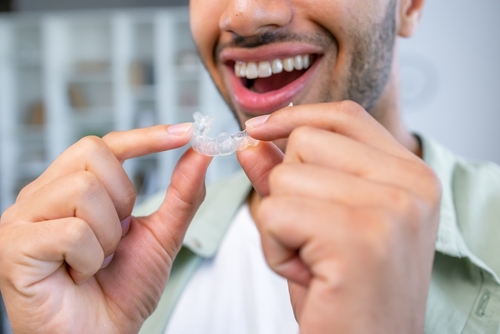
Clear aligners represent a modern approach to teeth straightening that extends beyond cosmetic enhancement, delivering tangible improvements to oral health. Cosmetic dentist London practices often recommend them for patients seeking both functional and aesthetic results. These aligners, typically custom-made from transparent plastic, are worn over the teeth and gradually shift them into position through a series of removable trays. Unlike traditional metal braces, they allow for normal eating and cleaning routines, which directly supports better hygiene habits. This method has gained traction among adults who prioritise convenience alongside health outcomes.
Cosmetic dentist London Dr. Sahil Patel at MaryleboneSmileClinic notes that clear aligners not only straighten teeth effectively but also promote long-term oral wellbeing by making daily maintenance simpler and reducing common risks associated with crowded teeth. He advises patients to consider this treatment for its dual benefits in alignment and health preservation. For further details on how clear aligners could suit individual needs, visit this site to explore options tailored to London lifestyles.
The adoption of clear aligners in urban settings like London reflects a shift towards treatments that integrate seamlessly with busy schedules. Patients report fewer disruptions to their routines, which encourages consistent use and better compliance. This consistency is key to achieving optimal results without compromising oral health during the process. Research supports these observations, indicating that users experience fewer instances of irritation or injury compared to fixed appliances. As a result, clear aligners contribute to a healthier mouth environment from the outset of treatment.
Enhanced Oral Hygiene Practices
One primary way clear aligners improve oral health is by facilitating superior hygiene practices. Since the aligners are removable, individuals can brush and floss their teeth without obstruction, ensuring thorough cleaning of all surfaces. In contrast, traditional braces often trap food particles and plaque in brackets and wires, making it challenging to maintain cleanliness. For London residents navigating fast-paced daily lives, this removability means they can eat meals without restrictions and clean immediately afterward, reducing the buildup of debris that leads to bacterial growth.
Studies from dental associations highlight that patients using clear aligners exhibit lower plaque indices over time. This is particularly beneficial in preventing enamel demineralisation, a common issue with fixed orthodontics. By allowing unrestricted access to teeth and gums, aligners encourage the use of interdental tools like floss picks or water irrigators, which are essential for reaching tight spaces. Over the course of treatment, which typically lasts 12 to 18 months, this habit formation extends beyond the alignment phase, fostering lifelong oral care routines.
In a city like London, where environmental factors such as pollution can exacerbate oral sensitivities, maintaining impeccable hygiene is crucial. Clear aligners support this by minimising the risk of bad breath or staining, issues that arise from inadequate cleaning. Dentists observe that patients who switch to aligners from other methods often report fresher breath and healthier gums within weeks. This improvement stems from the ability to rinse the aligners themselves, keeping them free from bacteria. Overall, the design promotes a proactive approach to hygiene, aligning with the preferences of health-conscious individuals seeking sustainable solutions.
Furthermore, the transparency of aligners encourages self-monitoring, as users can easily inspect their teeth for any signs of neglect. This visual feedback loop reinforces positive behaviours, such as regular brushing twice daily with fluoride toothpaste. In educational campaigns by UK dental bodies, clear aligners are praised for their role in reducing emergency visits related to hygiene complications during orthodontic treatment. For those consulting a cosmetic dentist London expert, this aspect is often emphasised as a foundational benefit, ensuring that aesthetic goals do not overshadow health priorities.
Reduction in Plaque Accumulation
Clear aligners contribute significantly to reducing plaque accumulation, a key factor in maintaining oral health. Plaque, the sticky film of bacteria that forms on teeth, thrives in hard-to-reach areas created by misaligned teeth. By gradually straightening the dentition, aligners eliminate these crevices, making it easier for saliva and brushing to naturally cleanse the surfaces. Unlike braces, which can harbour plaque around hardware, aligners cover the teeth smoothly, limiting bacterial adhesion during wear.
Clinical evidence from periodontal research shows that aligner users experience up to a 20% decrease in plaque levels compared to those with untreated misalignments. This reduction is vital in preventing tartar buildup, which requires professional removal and can lead to more severe issues if ignored. In London’s diverse population, where dietary habits vary widely, controlling plaque is essential to avoid complications from acidic or sugary foods. Aligners allow for normal consumption while promoting immediate post-meal cleaning, disrupting the plaque formation cycle.
Dentists in the capital often note that patients with clear aligners maintain better compliance with oral rinses and antimicrobial mouthwashes, further curbing bacterial growth. The treatment’s progressive nature means that as teeth align, plaque hotspots diminish progressively, offering cumulative health gains. This is especially relevant for adults over 30, who may face age-related increases in plaque susceptibility due to hormonal changes or medication side effects.
Integrating this benefit into routine care, aligners serve as a tool for education on plaque control. Users learn to identify early signs through regular check-ups, which are spaced every four to six weeks. In practices focused on cosmetic dentistry, this educational component enhances patient empowerment, leading to fewer instances of gingivitis. For those exploring options with a cosmetic dentist London professional, understanding plaque reduction underscores the treatment’s value beyond appearance.
Improved Gum Health
Gum health sees marked improvement through the use of clear aligners, as they address underlying alignment issues that contribute to periodontal problems. Misaligned teeth can cause uneven pressure on gums, leading to recession or inflammation over time. Aligners gently redistribute this force, promoting even contact and reducing stress on gingival tissues. Removability ensures that gums are not constantly irritated by foreign objects, unlike with metal braces that may rub against soft tissues.
Data from oral health studies indicate that aligner therapy correlates with lower gingival bleeding scores and healthier pocket depths. This is because better-aligned teeth allow for more effective flossing, reaching below the gumline to remove irritants. In urban environments like London, where stress and smoking can impact gum resilience, such interventions are invaluable. Patients often report reduced sensitivity and firmer gums after completing treatment, attributing this to the aligners’ non-invasive design.
Regular monitoring during aligner use enables early detection of gum issues, with adjustments made to prevent progression. Dentists recommend combining aligners with professional cleanings every three months to maximise benefits. This synergy helps in reversing early-stage gingivitis, a condition affecting nearly half of UK adults. The smooth material of aligners also minimises bacterial colonisation on the device itself, lowering the risk of transferring pathogens to gums.
For individuals with a history of gum disease, clear aligners offer a safer alternative to invasive orthodontics. They support tissue regeneration by improving blood flow through corrected bites. In consultations with specialists, this gum-protective aspect is highlighted, encouraging proactive care. As a cosmetic dentist London provider might explain, sustaining gum health is integral to long-lasting results, ensuring smiles remain functional and disease-free.
Decreased Risk of Tooth Decay
The risk of tooth decay diminishes considerably with clear aligners, owing to their design that supports preventive oral care. Crowded or overlapping teeth create niches where food and bacteria linger, fostering acid production that erodes enamel. Aligners straighten these areas, exposing surfaces to natural cleansing mechanisms like saliva, which neutralises acids. Being removable, they permit unrestricted brushing with decay-fighting agents, such as high-fluoride pastes.
Research published in dental journals reveals that aligner patients have fewer new cavities during treatment than those with braces, thanks to easier maintenance. This is critical in London, where access to fluoridated water varies and busy lifestyles may limit preventive habits. Aligners encourage sipping water throughout the day to rinse away residues, further protecting enamel. Treatment protocols include dietary advice to avoid prolonged exposure to cariogenic substances.
Aligners also reduce the incidence of white spot lesions, early decay signs often seen with fixed appliances. By allowing full-mouth cleaning, they preserve mineral integrity. Dentists track progress with scans, intervening if decay risks arise from non-compliance. This monitoring fosters accountability, leading to better outcomes.
In broader oral health strategies, aligners align with national guidelines promoting decay prevention through alignment correction. For adults, this means addressing longstanding misalignments that heighten vulnerability. Consulting a cosmetic dentist London clinic can reveal how aligners integrate with other preventive measures, like sealants, to fortify teeth against decay.
Correction of Bite Issues
Clear aligners excel in correcting bite issues, which directly enhances oral health by preventing uneven wear and joint strain. Malocclusions, such as overbites or crossbites, can lead to excessive pressure on certain teeth, causing chipping or temporomandibular disorders. Aligners apply controlled forces to realign the bite, distributing occlusal loads evenly and alleviating discomfort.
Orthodontic analyses show that resolved bites reduce the likelihood of enamel erosion by up to 30%, preserving tooth structure. In London’s professional circles, where jaw tension from stress is common, this correction improves chewing efficiency and reduces headache frequency. Aligners’ precision, guided by digital planning, ensures accurate adjustments without overcorrection.
Patients benefit from phased trays that allow gradual adaptation, minimising joint stress. Regular assessments ensure bite harmony, integrating with therapies for bruxism if needed. This holistic approach safeguards against long-term damage, such as root resorption.
As part of comprehensive care, bite correction via aligners supports overall craniofacial health. Specialists in cosmetic dentistry emphasise its role in preventing secondary issues like speech impediments. For those seeking advice from a cosmetic dentist London expert, understanding bite dynamics highlights aligners’ multifaceted advantages.
Long-Term Oral Health Benefits
The long-term oral health benefits of clear aligners extend well into post-treatment life, establishing a foundation for sustained wellbeing. Properly aligned teeth are easier to clean indefinitely, perpetuating low risks of decay and gum disease. Retainers provided after aligners maintain this stability, preventing relapse that could reintroduce health vulnerabilities.
Longitudinal studies demonstrate that former aligner users enjoy healthier periodontal profiles years later, with reduced need for restorative interventions. In a city like London, where longevity in dental health is prized amid ageing populations, these outcomes support active lifestyles. Aligners also enhance nutritional intake by improving mastication, aiding digestion indirectly.
Psychological boosts from improved smiles encourage ongoing dental visits, reinforcing preventive care. Dentists note higher retention rates in hygiene programs among aligner graduates. This cycle of positive reinforcement ensures enduring health gains.
Integrating aligners into lifelong strategies, they complement other treatments like whitening for holistic results. As cosmetic dentistry evolves, aligners remain a cornerstone for enduring oral vitality.
Conclusion
In summary, clear aligners offer a practical pathway to enhanced oral health through multiple mechanisms, from hygiene facilitation to bite correction. Their adoption in London underscores a preference for treatments that balance efficacy with convenience. Patients considering this option should consult professionals to tailor approaches, ensuring optimal health dividends.