Homeowners often focus their attention on visible living spaces—renovating kitchens, upgrading bathrooms, or adding insulation to attics—while neglecting one of the most critical yet hidden parts of their home: the crawlspace. Although it lies beneath the surface, the condition of a crawlspace significantly affects indoor air quality, energy efficiency, and the overall structural integrity of the home. One of the most effective ways to improve this area and protect the home from moisture, pests, and air leakage is through crawlspace encapsulations.
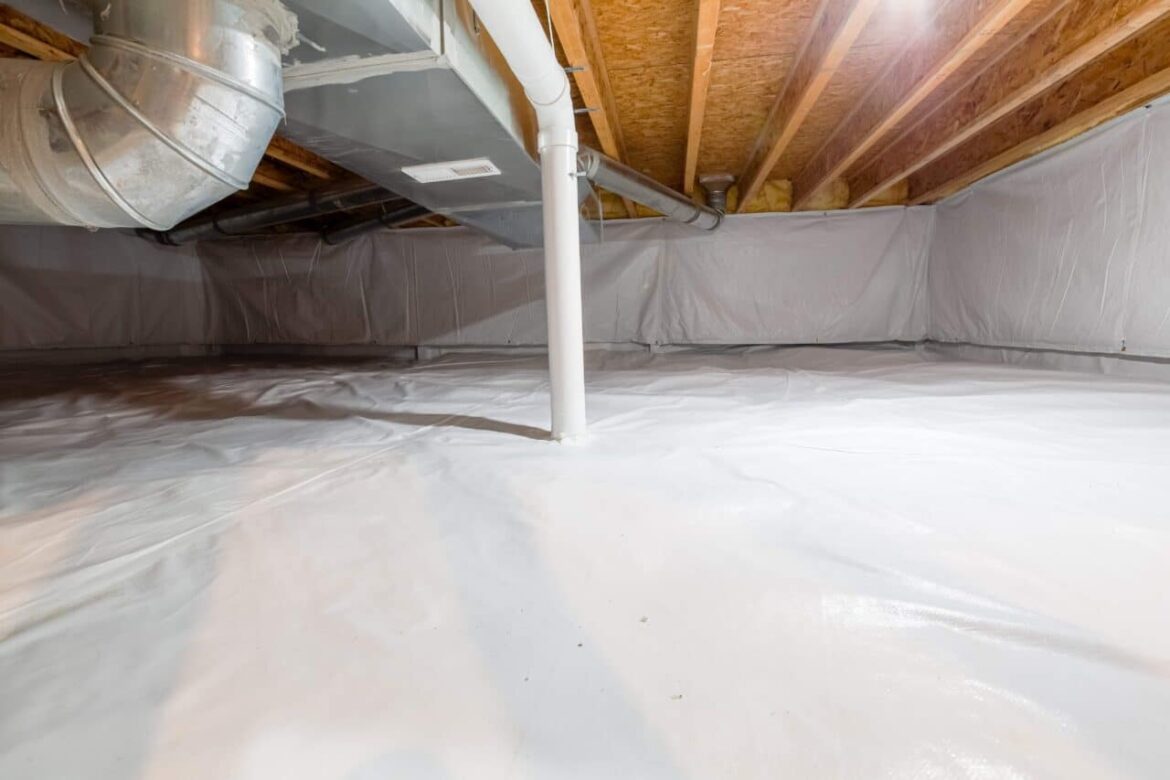
Crawlspace encapsulations are designed to create a clean, dry, and controlled environment beneath the house by sealing off the area from external elements. This process involves installing vapor barriers, insulation, and dehumidification systems to prevent humidity and groundwater from entering. Encapsulation not only safeguards the foundation and wooden supports but also enhances the comfort and health of the living areas above. When done correctly by specialists, encapsulation becomes a long-term investment that yields lasting protection and substantial savings on energy costs.
Understanding Crawlspace Encapsulations
Crawlspace encapsulations involve transforming a damp, exposed, and often neglected area into a sealed and conditioned space. Traditionally, many crawlspaces were vented, allowing outside air to circulate freely. However, research and building science have shown that vented crawlspaces tend to accumulate moisture, especially in humid climates or during seasonal changes. This trapped moisture leads to mold growth, wood rot, and pest infestations—all of which can severely damage the home’s structure.
Encapsulation addresses these problems by completely sealing the crawlspace from external air and moisture. The process typically includes the installation of a heavy-duty vapor barrier across the ground and walls, sealing of vents, insulation of walls and floors, and sometimes the addition of a dehumidifier to maintain ideal humidity levels. This creates a clean, conditioned environment that remains dry year-round. Many homeowners who invest in encapsulation often pair the process with professional crawlspace repair services to ensure that existing damage or structural concerns are addressed before sealing.
The Importance of Moisture Control
Moisture is the number one enemy of crawlspaces. Even a small amount of water vapor can lead to significant problems over time. Groundwater seepage, leaky pipes, or humid air entering through vents can elevate moisture levels, creating the perfect environment for mold and mildew growth. Since about half of the air circulating inside a home originates from the crawlspace, these contaminants eventually spread into living areas, reducing air quality and potentially triggering allergies or respiratory issues.
Additionally, excess moisture accelerates the deterioration of wooden beams and joists, threatening the home’s stability. In severe cases, persistent humidity may cause foundation shifts or sagging floors. Crawlspace encapsulations combat these issues by preventing moisture from entering the space in the first place. By installing a vapor barrier and maintaining proper humidity levels, homeowners can protect both their health and the longevity of their home.
Components of a Crawlspace Encapsulation System
A successful encapsulation involves several carefully coordinated components, each playing a specific role in moisture management and energy control:
- Vapor Barrier
The vapor barrier is the core element of any encapsulation system. It is typically a thick polyethylene sheet laid across the floor and extended up the walls to block moisture from the ground. All seams are sealed with specialized tape or adhesive to ensure an airtight barrier.
- Insulation
Crawlspace insulation helps regulate temperature and prevent condensation. Insulating the walls and sometimes the subfloor above keeps the area at a consistent temperature, improving overall energy efficiency.
- Sealing of Vents and Gaps
Vents, cracks, and openings are sealed to block outside air, insects, and rodents. This prevents the infiltration of humid or cold air, which can disrupt the controlled environment.
- Drainage Systems
In areas prone to groundwater intrusion, a drainage system or sump pump may be installed to redirect water away from the crawlspace.
- Dehumidifier
A dehumidifier maintains humidity at safe levels (usually between 40–50%), ensuring that the space remains dry even during damp seasons.
By combining these components, crawlspace encapsulations create a balanced, sealed environment that protects against moisture, improves energy efficiency, and enhances indoor comfort.
The Encapsulation Process
The process of encapsulating a crawlspace requires precision, planning, and professional expertise. Each step must be executed carefully to ensure long-term effectiveness and durability.
- Inspection and Preparation
Before beginning encapsulation, professionals inspect the crawlspace to identify structural issues, existing moisture damage, or pest infestations. Any problems such as wood rot, standing water, or mold must be addressed first. This is why many homeowners hire professional crawlspace repair services to restore the area to a safe condition before proceeding with encapsulation.
- Cleaning and Surface Preparation
Debris, old insulation, and damaged materials are removed. The floor is leveled, and surfaces are cleaned to ensure the vapor barrier adheres properly.
- Installing the Vapor Barrier
The vapor barrier is rolled out across the entire floor and secured to the walls and piers. Seams are overlapped and sealed tightly to form a continuous shield against moisture.
- Sealing Vents and Openings
All vents, access doors, and gaps are sealed with foam board, caulking, or spray insulation to eliminate air leaks.
- Adding Insulation and Dehumidification
Insulation is installed as needed, followed by the placement of a dehumidifier to maintain optimal humidity levels year-round.
- Final Inspection
Once installation is complete, the entire encapsulated space is inspected to verify airtight sealing, proper drainage, and consistent humidity control.
This comprehensive process transforms a previously damp, musty crawlspace into a clean and energy-efficient environment that contributes to the home’s overall comfort.
Benefits of Crawlspace Encapsulations
Encapsulation offers a wide range of benefits that extend far beyond moisture control. Homeowners often notice immediate improvements in comfort, air quality, and utility savings.
- Improved Indoor Air Quality: Sealing off the crawlspace prevents mold spores, dust, and other contaminants from entering the home’s air supply.
- Energy Efficiency: By stabilizing temperature and preventing air leaks, encapsulation reduces heating and cooling costs.
- Structural Protection: Wooden beams and joists remain dry and strong, extending the lifespan of the home’s foundation.
- Pest Prevention: Sealed crawlspaces deter rodents, insects, and termites that thrive in damp, dark areas.
- Enhanced Comfort: Floors above encapsulated crawlspaces are warmer in winter and cooler in summer.
- Increased Property Value: A clean, dry crawlspace adds appeal to potential buyers and demonstrates that the home has been well maintained.
These advantages make encapsulation one of the most valuable upgrades a homeowner can invest in for both short-term comfort and long-term preservation.
Common Problems Solved by Encapsulation
Crawlspace encapsulations address several underlying issues that often plague homes with vented or open crawlspaces:
- Mold and Mildew Growth: By keeping humidity under control, encapsulation eliminates the conditions mold needs to thrive.
- Musty Odors: Moisture and poor ventilation often cause unpleasant odors that seep into living spaces. Encapsulation removes these odors permanently.
- Sagging Floors: Moisture can weaken the wooden supports beneath floors, causing them to sag. Encapsulation keeps these components dry and stable.
- Increased Energy Bills: Air exchange between a cold crawlspace and the home above drives up energy costs. Encapsulation seals these leaks, improving efficiency.
- Insect and Rodent Infestations: Sealing the crawlspace denies pests the damp, sheltered environment they seek.
For homes that already exhibit these issues, encapsulation combined with professional crawlspace repair services can completely restore functionality and prevent further deterioration.
Long-Term Maintenance
Once a crawlspace is encapsulated, maintenance is minimal but essential for preserving performance. Homeowners should:
- Periodically check the vapor barrier for tears or damage.
- Ensure that dehumidifiers are functioning and draining properly.
- Inspect seals around access doors and vents annually.
- Schedule professional inspections every few years to confirm that humidity remains at safe levels.
With proper upkeep, an encapsulated crawlspace can last for decades, providing continuous protection and comfort.
Why Professional Installation Matters
While DIY encapsulation kits are available, achieving a truly effective seal and long-term results requires professional installation. Experts have the tools, materials, and experience to handle complex crawlspace conditions safely and efficiently. They understand how to assess soil moisture, identify weak points in the foundation, and ensure complete coverage of the vapor barrier.
Moreover, professionals offering professional crawlspace repair services can address any structural or moisture issues before encapsulation begins, ensuring that the process delivers maximum benefits. Professional installers also use commercial-grade materials that resist tears, punctures, and degradation far better than standard consumer-grade options.
Ultimately, investing in expert installation ensures that the encapsulation performs as intended—protecting your home’s foundation and creating a healthier environment for years to come.
Conclusion
Crawlspace encapsulations represent one of the most effective ways to protect a home from moisture damage, improve energy efficiency, and promote better indoor air quality. By sealing off this vulnerable area and maintaining proper humidity control, homeowners can prevent mold growth, pest infestations, and structural decay.
When combined with professional crawlspace repair services, encapsulation provides a comprehensive solution that strengthens the home’s foundation and enhances overall comfort. It transforms a damp, forgotten space into a clean, efficient, and protective barrier beneath your living areas.
Ultimately, investing in crawlspace encapsulations is not just about maintaining the unseen—it’s about creating a safer, healthier, and more resilient home from the ground up.
please follow us on Vibe Linker.