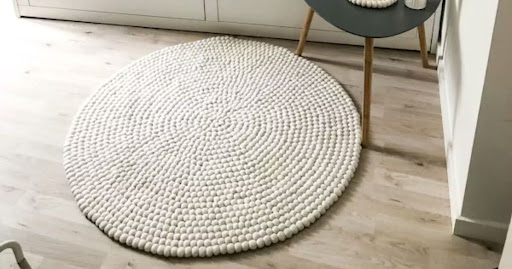
Choosing the right rug size can completely change how a room looks and feels. A round rug, in particular, can soften sharp corners, add balance, and bring warmth to a space. But if the size is wrong, even the most beautiful rug can feel awkward or out of place.
Many people struggle with this decision. Too small, and the rug looks lost. Too large, and it can overwhelm the room. This guide will walk you through how to choose the right size round rug for any room, step by step. By the end, you will feel confident picking a size that fits your space, furniture, and daily use.
Why Rug Size Matters
Visual Balance and Room Proportion
Rug size plays a big role in how balanced a room feels. A round rug should work with the shape and size of the room, not fight against it. When the rug is sized correctly, it pulls the furniture together and makes the space feel intentional.
A rug that is too small can make the room feel unfinished. On the other hand, a rug that is too large can crowd the space and hide the beauty of the floor.
Comfort and Functionality
Beyond looks, the right rug size improves comfort. It defines areas where people sit, walk, or gather. In dining rooms, it helps chairs move smoothly. In bedrooms, it gives your feet a soft place to land. Size directly affects how practical the rug is in daily life.
How to Measure Your Space Before Choosing a Rug
Measure Room Dimensions
Start by measuring the length and width of the room. Write these numbers down. This gives you a clear idea of how much floor space you are working with.
As a general rule, leave at least 20 to 30 cm of bare floor between the rug and the walls. This space helps the rug feel framed instead of cramped.
Determine Furniture Placement
Next, look at where your furniture sits. Decide if you want the rug under all the furniture, just the front legs, or centered with no furniture on it. Your choice will affect the size you need.
For example, in seating areas, rugs usually sit under the front legs of sofas and chairs. In dining rooms, the rug should be large enough to hold both the table and chairs.
Visualize Rug Size Before Buying
A helpful trick is to use masking tape or newspaper to mark the rug size on the floor. This lets you see how the rug will fit before you buy it. It is a simple step that can prevent costly mistakes.
Room-by-Room Guide to Round Rug Sizes
Living Room
Round rugs work best in living rooms with curved furniture layouts or small seating areas. Common sizes include 160 cm, 200 cm, and 240 cm round rugs.
For compact spaces, a 160 cm rug can sit under a coffee table and front legs of chairs. In larger rooms, a 200 cm or 240 cm rug helps anchor the seating area. If you are looking for quality options, Round Carpet Rugs offer a wide range of sizes that suit different living room layouts.
Dining Room
In dining rooms, size is especially important. The rug should extend at least 60 cm beyond the edge of the table on all sides. This allows chairs to stay on the rug even when pulled out.
For a round dining table, the rug should also be round. A 200 cm rug works well for small tables, while larger tables may need a 240 cm or bigger rug.
Bedroom
Round rugs add softness and style to bedrooms. You can place one beside the bed, at the foot of the bed, or partially under it.
For queen or king beds, a larger round rug placed under the lower half of the bed creates balance. In smaller bedrooms, a medium-sized rug beside the bed adds comfort without taking over the space.
Entryway or Small Spaces
Round rugs are perfect for entryways, reading corners, and small rooms. Sizes like 120 cm or 140 cm are common here. These rugs add warmth and style without blocking walkways.
Furniture and Round Rug Size Guidelines
Rules for Seating Areas
In seating areas, the rug should connect the furniture. At minimum, the front legs of sofas and chairs should sit on the rug. This creates a clear and cozy zone for conversation.
Avoid placing a rug that floats with no furniture touching it, unless the rug is meant purely as a decorative center piece.
Rules for Dining Tables
The rug must be larger than the table. Chairs should stay fully on the rug when moved. This prevents wobbling and protects floors.
Round tables pair best with round rugs, keeping the look clean and balanced.
Rugs Under Beds or Chairs
For beds, make sure the rug extends beyond the sides and foot of the bed. For accent chairs, the rug should be wide enough to include the chair and a small side table if possible.
Common Sizing Mistakes to Avoid
Choosing a Rug That Is Too Small
This is the most common mistake. Small rugs make rooms feel disconnected. When in doubt, choose the larger size. A slightly bigger rug almost always looks better than one that is too small.
Ignoring Room Shape
Round rugs work best in square rooms or areas with curved furniture. In long, narrow rooms, a round rug may look out of place unless used as an accent.
Overlooking Furniture Overlap
Make sure your rug works with your furniture, not against it. Check that chairs, tables, and sofas fit comfortably on the rug.
Practical Tips for Buying a Round Rug
Leave Space Around the Rug
Always leave visible floor space around the rug. This frames the rug and helps it stand out.
When to Go Bigger or Smaller
If the rug is meant to define a main area, go bigger. If it is decorative or for a small corner, a smaller size works fine.
Consider Material and Texture
While size comes first, material also matters. Thicker rugs feel cozy but need more space. Flat-weave rugs work better in high-traffic areas.
Conclusion
Choosing the right size round rug is about balance, comfort, and function. Measure your space carefully, think about furniture placement, and avoid going too small. A well-sized round rug can bring warmth, style, and flow to any room.
When chosen thoughtfully, the right rug does more than decorate. It completes the room and makes it feel like home.