Introduction
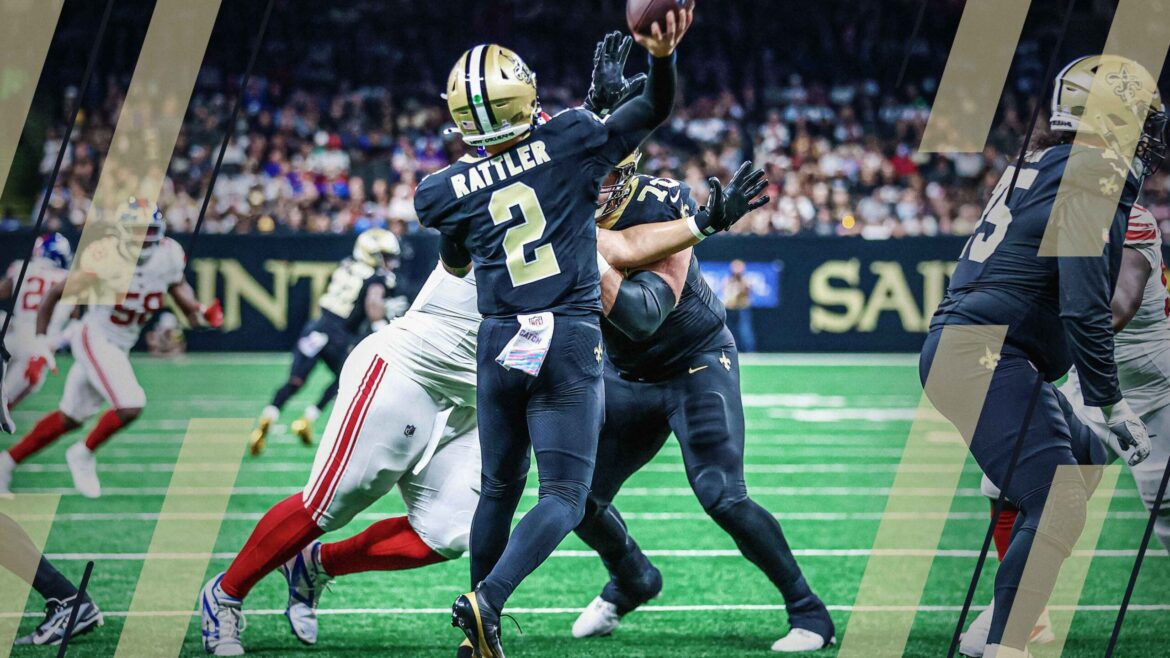
The New York Giants vs New Orleans Saints matchup brings together two franchises with rich histories, distinct identities, and contrasting styles of play. When these teams face each other, the outcome is often decided by execution at the player level rather than headline narratives alone. Analyzing New York Giants vs New Orleans Saints match player stats provides deeper insight into how individual performances collectively shape the rhythm, momentum, and final result of the game.
Game Context and Competitive Environment
Every New York Giants vs New Orleans Saints Match Player Stats game unfolds within a broader competitive environment that includes conference positioning, playoff aspirations, and team momentum. Player stats from such matchups often reflect heightened urgency, with starters logging heavy workloads and situational players stepping into expanded roles. Understanding these numbers requires acknowledging the strategic stakes that influence play-calling and on-field decision-making.
New York Giants Offensive Structure
The New York Giants vs New Orleans Saints Match Player Stats’ offense traditionally emphasizes adaptability, balancing the run game with situational passing. Against the Saints, Giants player stats often highlight efforts to control tempo and protect possession. Offensive output is measured not only by total yards but by efficiency metrics such as yards per play and third-down conversions, which reveal how well the unit sustains drives.
Giants Quarterback Match Player Stats
Quarterback performance is central to New York Giants vs New Orleans Saints Match Player Stats offensive success. Player stats typically focus on completion rate, passing yards, and turnover avoidance. Against a disciplined Saints defense, the Giants quarterback’s ability to make quick reads and limit mistakes is reflected in stat lines that emphasize efficiency over volume. Rushing contributions, when present, further demonstrate adaptability under pressure.
Giants Running Game and Rushing Metrics
Rushing New York Giants vs New Orleans Saints Match Player Stats often reveal how effectively the Giants establish balance. Running backs’ carry totals, yards per attempt, and success in short-yardage situations are key indicators. Against the Saints, consistent rushing production helps mitigate defensive pressure and opens opportunities for play-action, making ground-game stats a critical part of the analysis.
Giants Receiving Corps and Passing Efficiency
The New York Giants vs New Orleans Saints Match Player Stats’ receivers play a crucial role in converting opportunities. Player stats often show a spread distribution of targets, with multiple receivers contributing moderate yardage. Catch rate and yards after catch are particularly important metrics, reflecting the team’s emphasis on timing routes and creating space against Saints coverage. The Saints defense is known for discipline, communication, and adaptability. Player stats for New Orleans defenders often include high tackle counts, passes defended, and pressures.
Saints Pass Rush and Coverage Statistics
Pass rush effectiveness is a defining feature of Saints defensive performance. New York Giants vs New Orleans Saints Match Player Stats such as sacks, quarterback hits, and hurries highlight the ability to disrupt timing. Coverage stats, including interceptions and pass breakups, reflect how pressure up front translates into opportunities for the secondary to make impactful plays. The Saints’ offense typically blends structure with creativity, focusing on ball control and situational execution. Player stats often reveal balanced production across passing and rushing phases. Against the Giants, offensive metrics emphasize efficiency, red-zone success, and time of possession rather than sheer yardage totals.
Saints Quarterback Match Player Stats
Quarterback statistics for the New York Giants vs New Orleans Saints Match Player Stats often showcase accuracy and decision-making. Completion percentage, touchdown-to-interception ratio, and third-down efficiency are key indicators. Against the Giants’ defense, these stats reflect the quarterback’s ability to manage the game and capitalize on scoring opportunities without unnecessary risk. Rushing metrics play an important role in Saints offensive balance. Player stats often show multiple running backs contributing carries and yards, reinforcing a committee approach. This distribution helps maintain tempo and keeps the Giants defense from focusing on a single rushing threat.
Saints Wide Receivers and Tight Ends Contribution
Receiving New York Giants vs New Orleans Saints Match Player Stats for the Saints often emphasize reliability and situational impact. Player metrics show key receptions on third down and in the red zone. Tight ends frequently appear in these stats, serving as dependable targets who help sustain drives and convert scoring chances. The Giants defense focuses on adaptability and effort. Player stats typically highlight tackle totals, run stops, and forced pressures. These numbers reflect how New York attempts to contain Saints playmakers while minimizing big plays. Defensive success is often measured by limiting red-zone efficiency rather than total yardage allowed.
Giants Defensive Line and Pressure Metrics
Defensive line stats such as sacks and quarterback hits reveal how effectively the Giants disrupt offensive rhythm. Against the Saints, consistent pressure is essential to forcing hurried throws and limiting downfield passing. Player stats in this area underscore the importance of trench play in determining game flow. Linebackers and defensive backs often lead the Giants in tackles. Player stats in coverage, including pass deflections and interceptions, highlight the challenge of defending a balanced Saints offense. Open-field tackling efficiency is a critical metric in preventing extended gains.
Special Teams Player Stats and Field Position
Special teams frequently influence New York Giants vs New Orleans Saints Match Player Stats games in subtle but significant ways. Player stats such as punt averages, return yards, and field goal accuracy affect starting field position and momentum. Strong special teams execution can shift the balance in tightly contested matchups. Turnover statistics often correlate directly with the outcome. Interceptions, fumble recoveries, and takeaway differentials reveal which team capitalized on mistakes. Penalty yards and discipline metrics also factor into overall performance, as avoiding costly errors supports consistent statistical production.
Time of Possession and Drive Efficiency Analysis
Time of possession stats illustrate which team controlled tempo. Sustained drives reflected in first-down totals and red-zone efficiency show how effectively offenses converted opportunities. Player stats tied to drive success provide a clearer picture of execution under pressure. Individual matchups frequently define Giants vs Saints outcomes. Player stats reveal how receivers perform against coverage, how linemen handle pass rush pressure, and how defenders contain rushing threats. These head-to-head battles often influence momentum shifts throughout the game.
Coaching Strategy and Statistical Patterns
Coaching decisions are reflected in player usage and statistical distribution. Snap counts, target shares, and rushing attempts reveal strategic priorities. In New York Giants vs New Orleans Saints Match Player Stats games, stats often show deliberate game plans designed to exploit specific matchups rather than generic approaches. A side-by-side comparison of Giants and Saints player stats highlights contrasting strengths and weaknesses. New York’s adaptability meets New Orleans’ discipline, creating a tactical chess match reflected in the numbers. These comparisons explain how small advantages can translate into decisive outcomes.
Fan and Analyst Interpretation of Match Player Stats
For fans and analysts, New York Giants vs New Orleans Saints Match Player Stats offer a foundation for evaluation and discussion. These numbers inform debates about player performance, roster depth, and future adjustments, adding context beyond the scoreboard. Player stats from this matchup often influence future strategies and personnel decisions. Strong performances can solidify roles, while statistical weaknesses may prompt tactical changes. In a competitive league, every data point carries long-term significance.
Conclusion
The New York Giants vs New Orleans Saints Match Player Stats provide a detailed narrative of execution, strategy, and resilience. From quarterback efficiency and rushing balance to defensive pressure and special teams impact, the numbers capture the essence of this competitive matchup. Analyzing these stats offers deeper appreciation for the tactical complexity and individual contributions that define Giants vs Saints games in the NFL.
You May Also Read: Bengals vs Baltimore Ravens Match Player Stats