Few plumbing issues are as frustrating as weak water flow, whether it’s a trickling shower at home or slow-running faucets in a commercial facility. Understanding what causes low water pressure is the first step toward fixing the problem efficiently and preventing future disruptions. Both residential and commercial buildings can experience pressure issues, often due to aging infrastructure, maintenance gaps, or system design limitations.
Below are some of the most common reasons water pressure drops and how they affect different types of properties.
Clogged or Corroded Pipes
Over time, mineral deposits, rust, and debris can build up inside pipes, narrowing the passage through which water flows. This is common for galvanized steel plumbing located in older buildings. As the corrosion escalates, water flow pressure also dwindles and may eventually lead to leaks or a broken pipe if left untreated.
Hidden Leaks in the Plumbing System
Even the smallest leak can substantially lessen water pressure in a building, diverting it away from fixtures and end up being hidden behind walls, under floors, or below concrete slabs. In commercial buildings, hidden leaks can also be responsible for structural damage and raise water bills long before any visible signs of leakage appear.
Faulty Pressure Regulators
To maintain water pressure within a suitable range in residential or commercial settings, pressure-reducing valves are essential. If a PRV becomes ineffective and water pressure consistently drops due to restricted flow, one can consider simple repairs.
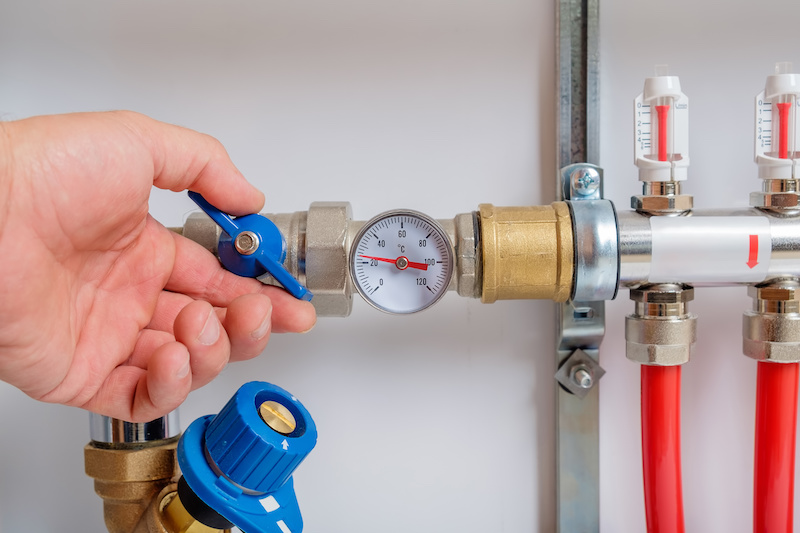
Partially Closed or Damaged Valves
Water flow can also be restricted by half-open main stop valves or fixture-specific valves that are not fully open. This type of thing sometimes happens when plumbing repairs or renovations are completed, and valves are accidentally left partially closed. Malfunctioning or aging valves can affect the pressure as well and, therefore, will need to be professionally replaced.
Inefficient or Outdated Fixtures
Older faucets, showerheads, and fixtures that are designed for commercial use may not keep a steady pressure. A buildup of sediment can further decrease flow and pressure. Replacing outdated fixtures with high-efficiency fixtures of the latest design can greatly affect both pressure and water efficiency.
High Demand in Commercial Settings
Commercial buildings such as restaurants, hotels, and office complexes often use water at multiple points simultaneously. If the plumbing system wasn’t designed to handle current demand, pressure drops can occur during peak hours. Upgrading pipe sizes or installing booster systems may be necessary in such cases.
Companies in this industry, such as Black Tie Plumbing, help Texas property owners by diagnosing pressure-related issues and proposing performance-enhancing solutions that also protect their plumbing systems.
Conclusion
There can be multiple reasons for low water pressure, the two most common being system imbalances and aging components. By understanding what causes low water pressure, the homeowner or the business owner can take proactive measures to prevent larger-scale damage in the plumbing system. Early diagnosis and service can also bring back the normal flow and lifespan of the system.
This is especially common in older buildings with galvanized steel plumbing. As corrosion worsens, water pressure steadily decreases and may eventually lead to leaks or pipe failure if left unaddressed.